International Real Estate Investing
A Local Lens on the 2026 U.S. Property Market
Look past a national headline. Local supply, property economics, financing and cross-border planning determine whether an opportunity fits.


Quick Facts: Investing Across Borders
-
Local evidence
A national trend is only context.
-
Operating costs
Test the full property economics.
-
Actual financing
Verify the complete written terms.
-
Cross-border plan
Arrange advice and local management.
National context is a starting point
U.S. real estate is a collection of local markets. The same year can bring different conditions across cities, neighborhoods and property types.
NAR international buyers · April 2025–March 2026
- $45.3B Existing-home purchases Dollar volume
- 67,100 Properties purchased Estimated transaction count
- −14% Properties year over year Change from the prior period
NAR 2026 International Transactions in U.S. Residential Real Estate. Survey estimates for a defined period—not proof of local price declines or abundant inventory.
Put the local evidence first

Ask for comparable closed sales, inventory, days on market and the listing’s price history. Compare similar homes in the same segment.
A slow listing may reflect pricing, condition, insurance costs or other issues. It does not automatically signal a distressed seller or a bargain.
Underwrite the operating property
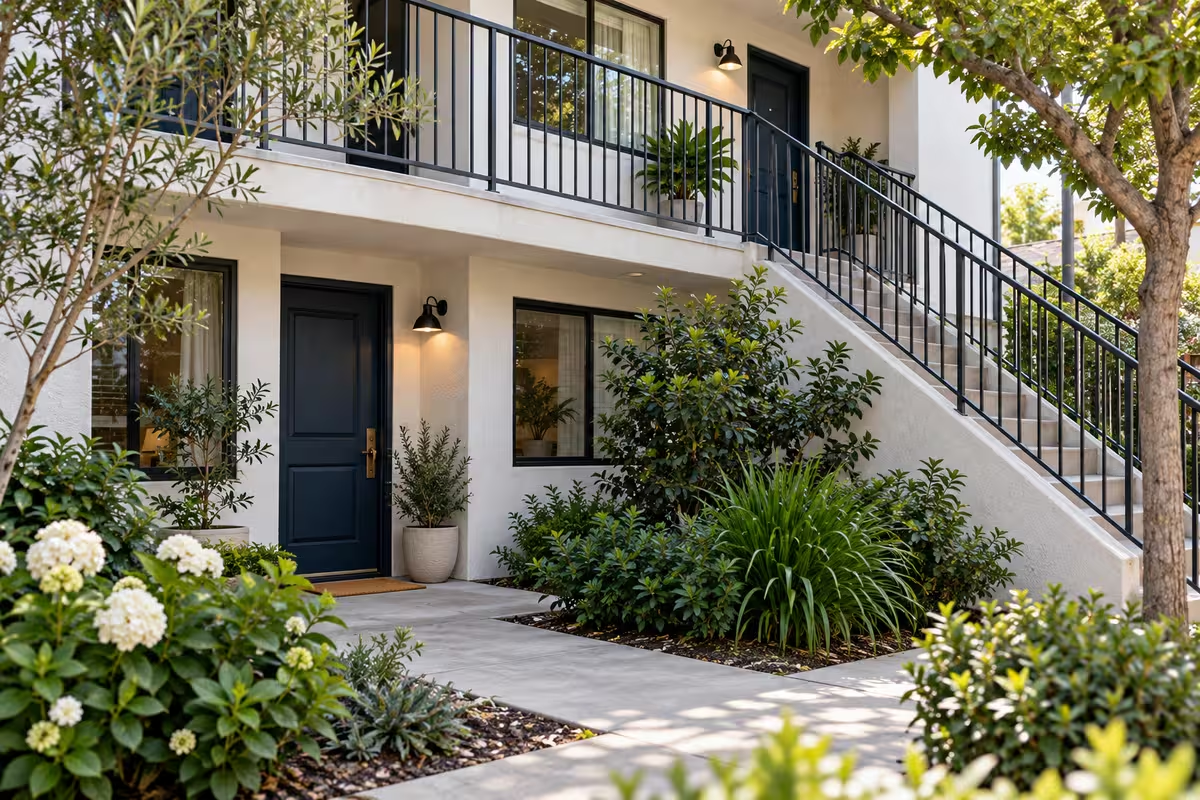
- Use achievable rent and a realistic vacancy assumption.
- Include management, maintenance, taxes, insurance and HOA obligations.
- Stress-test costs and income rather than one expected return.
- Review actual loan terms or the liquidity effect of paying cash.